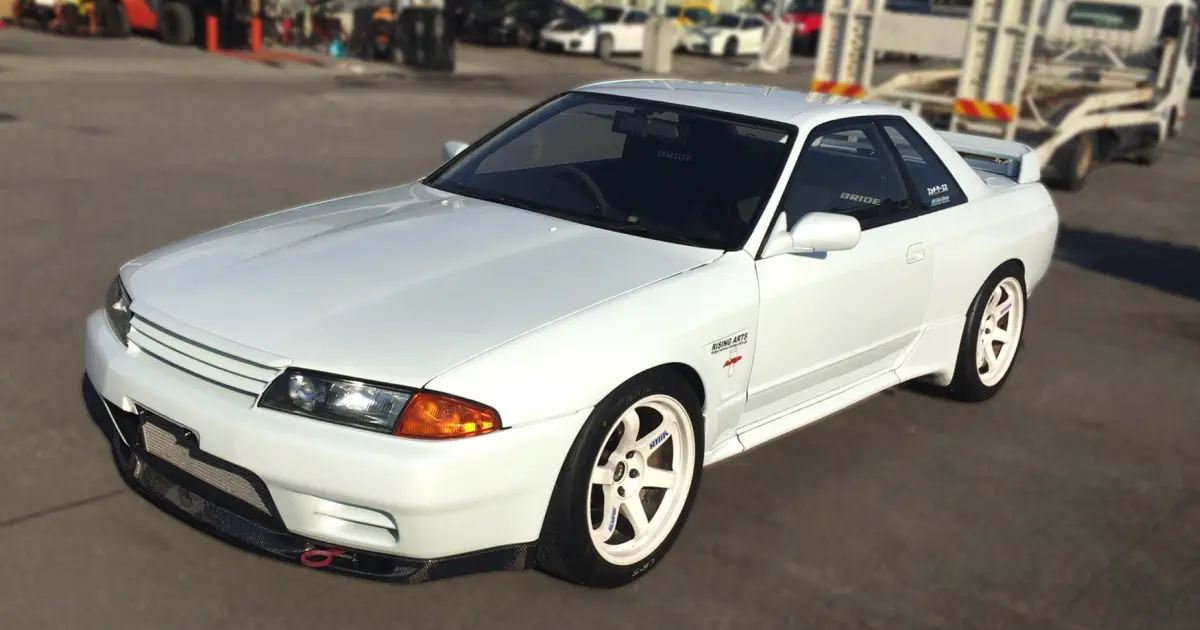
JDM restoration in Japan has officially gone mainstream, with manufacturers like Nissan now charging over $300,000 to rebuild iconic 1990s sports cars.
According to a recent report by Nikkei, companies like Nissan, Honda, and Mazda are offering official factory restoration programs for classic Japanese performance cars.
This isn’t aftermarket work or third-party tuning.
This is the manufacturer itself rebuilding the car from the ground up.
How Nissan Restores Classic JDM Cars
At dedicated restoration facilities, Nissan will completely rebuild cars like the Nissan Skyline GT-R.

The process is extensive:
- The car is stripped down to its bare chassis
- Structural issues and rust are corrected
- Components are repaired or replaced
- The vehicle is restored to factory-level condition
In some cases, the end result is closer to a “new” version of the original car than a repaired used vehicle.
But this level of work comes at a price.
Full restorations are reportedly costing around 40 to 50 million yen – roughly $300,000 USD.
And importantly, customers are already paying for it.
Why Demand for 90s Japanese Cars Is Exploding
Global demand is driving the surge in restoration programs for classic Japanese cars – particularly models from the 1990s.

One major factor is the 25-year import rule in the United States, which allows vehicles over 25 years old to be legally imported.
This has opened the floodgates for models like the R32, R33, and R34 GT-R.
As a result:
- Prices have risen dramatically
- Supply of clean original cars has tightened
- International buyers are competing for limited inventory
The average price of an R34 GT-R is already around 27 million yen and climbing.
Why JDM Restoration in Japan Is Growing
What makes this shift significant isn’t just the price increase.
It’s how these cars are being perceived.
Buyers now treat vehicles that were once normal sports cars like collectible assets.
In many ways, the market is behaving similarly to other collectible categories:
- Vintage watches
- Trading cards
- Sneakers
Items tied to nostalgia are being revalued by the same generation that grew up with them – now with significantly more purchasing power.
Whether it’s a first-edition Charizard or an R34 GT-R, entry into the market increasingly requires a six-figure budget.
Why Manufacturers Are Getting Involved in JDM Restoration
Automakers entering the restoration space is a key signal.

Independent specialists once handled restoration and long-term maintenance.
Now, manufacturers are stepping in for a few critical reasons:
1. Protecting Brand Heritage
Iconic models like the GT-R and NSX carry long-term brand value.
2. Supporting Rising Asset Values
Without parts and support, values would eventually decline.
3. Meeting Global Demand
A growing base of international buyers is willing to pay for factory-backed quality.
What JDM Restoration in Japan Means for Global Buyers
This shift has broader implications for the Japanese car export market:
- Lower ownership risk due to parts reproduction and restoration support
- Increased buyer confidence, especially overseas
- Stronger long-term pricing for key models
Perhaps most importantly, it signals that the market is evolving.
When manufacturers themselves begin investing in preservation and restoration, it typically means the category has moved beyond short-term hype.
Conclusion: The Market Is Maturing, Not Peaking
The rise of factory restoration programs in Japan shows that classic JDM cars are entering a new phase.
This is no longer just a nostalgia-driven trend.
It’s a structured, global market – supported by manufacturers, driven by international demand, and reinforced by rising asset values.
And if history is any guide, markets tend to mature before they reach their peak – not after.
Thinking about importing a classic JDM car?
Understanding market trends, pricing, and long-term ownership risk is key.
If you want help sourcing vehicles, reviewing auction listings, or estimating total import costs – contact us today.